1 Chapter

Netscribes
Netscribes is a global leader in data, insights, and digital solutions, helping top organizations accelerate growth across sales, marketing, product, and innovation with deep ecosystem understanding and execution support.

6 Key Trends Reshaping the Food & Beverage Industry in 2025
6 Key Trends Reshaping the Food & Beverage Industry in 2025
Netscribes

Netscribes Solutions: Catalyzing Growth with Data-Driven Intelligence
Netscribes Solutions: Catalyzing Growth with Data-Driven Intelligence
Netscribes

Netscribes Data and Insights - Solutions and Industries
Netscribes Data and Insights - Solutions and Industries
Netscribes
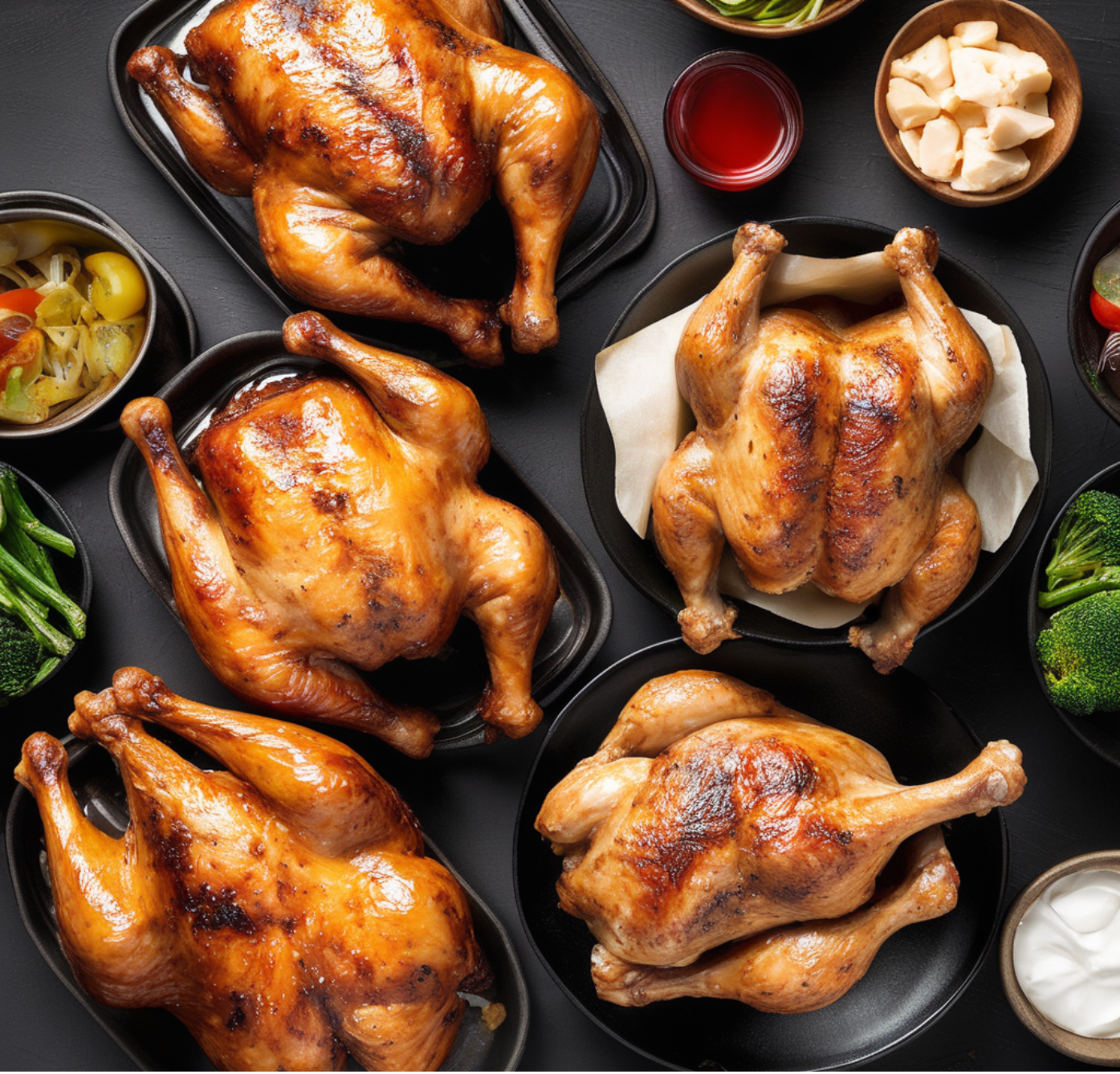
Cracking the Cooked Chicken Market in the US
Cracking the Cooked Chicken Market in the US
Netscribes

How an OTT Music Streaming Leader Reinvented Its Strategy with Deep Market Intelligence
How an OTT Music Streaming Leader Reinvented Its Strategy with Deep Market Intelligence
Netscribes

Building Cultural Resonance in Skincare Marketing
Building Cultural Resonance in Skincare Marketing
Netscribes
Unlocking Competitive Advantage with Data-Driven Insights
Unlocking Competitive Advantage with Data-Driven Insights
Netscribes

How AI Is Reshaping the Food and Beverage Industry
Data and dishes: How AI is transforming the F&B industry The food and beverage (F&B) industry is undergoing a massive transformation. With evolving consumer demands, rising competition, and growing concerns about sustainability, businesses need innovative solutions to stay ahead. Artificial Intelligence (AI) has emerged as a game-changer, helping companies optimize operations, predict demand, and design products tailored to shifting preferences. AI in Market Research: Turning Data Into Insights Traditional surveys and focus groups have limits. AI analyzes real-time data from social media, reviews, and purchase behavior to uncover emerging trends faster. Using tools like natural language processing (NLP) and sentiment analysis, companies can identify what flavors, ingredients, or products are gaining traction and adjust strategies quickly. Smarter Product Innovation AI algorithms analyze consumer preferences and nutritional needs to design new product formulations. For example, AI can suggest plant-based substitutes for animal proteins to meet demand for healthier, sustainable options. This approach reduces time-to-market while ensuring relevance in a rapidly changing market. Demand Forecasting and Supply Optimization The perishability of F&B products makes forecasting critical. AI uses sales data, seasonality, and external factors to predict demand with precision. This enables businesses to minimize waste, prevent stockouts, and improve supply chain efficiency. AI also enhances logistics by optimizing shelf rotation and ensuring timely deliveries. Overcoming Challenges in AI Adoption Despite the benefits, adoption isn’t without hurdles. High-quality data integration, infrastructure costs, and regulatory compliance remain barriers. Companies must ensure transparent AI practices while building strong data ecosystems to maximize value. The Road Ahead Leaders like PepsiCo and Climax Foods are already leveraging AI to analyze trends, innovate products, and meet consumer expectations. As AI continues to advance, it will become indispensable in driving efficiency, sustainability, and growth across the F&B industry.
Netscribes

How Competitive Intelligence Helped a Spice Brand Win in the US
A recipe for success in the US spices market Cracking the spice market code The US spices and condiments market is one of the toughest arenas to enter. It’s packed with established brands, loyal customers, and shifting preferences. For a new entrant, standing out required more than intuition—it demanded precise insights into what consumers wanted, how rivals operated, and where market opportunities lay. Insights that shaped strategy A detailed competitive intelligence study revealed critical trends: Organic and regional flavors were gaining strong traction. Market leaders differentiated through pricing and promotions. Retail visibility was crucial, with specific channels offering higher impact. Armed with these insights, the brand aligned its product portfolio to evolving consumer tastes and designed a go-to-market plan rooted in data, not guesswork. From new entrant to contender The shift was remarkable. The brand refined pricing strategies, introduced flavors that resonated with demand, and secured retail partnerships that boosted visibility. What started as a challenging market entry evolved into a story of sustainable differentiation and consumer-first innovation. Laying foundations for growth By bridging knowledge gaps with competitive intelligence, the brand not only survived but thrived in a crowded market. Its ability to anticipate customer needs, innovate accordingly, and position itself strategically laid the groundwork for long-term growth. Key takeaways for brands Consumer-first insights drive lasting differentiation Retail partnerships fuel visibility and trust Competitive benchmarking reveals growth opportunities Organic and regional flavors are shaping future demand
Netscribes

Contract Manufacturing for Clothing Brands: A Practical Market Playbook
Sharper sourcing strategies in shifting markets Brands don’t win on cost alone anymore. In apparel, the edge comes from choosing contract manufacturers who can ship quality, move fast, and stay transparent when supply lines get tight. This article turns a recent market assessment into a step-by-step playbook you can use to find and prioritize the right partners across India and Southeast Asia. Why this market is shifting Freight volatility, port congestion, and carrier shortages pushed apparel teams to rethink where and how they source. The goal is no longer just unit economics. It is supply chain resilience across categories and seasons. What the assessment covered A global clothing brand asked for a full view of contract manufacturing options and the operating realities behind them. The study combined secondary research with interviews across the ecosystem, including sourcing heads, supply chain leaders, and vendor managers. The output helped the client compare partners on more than price. Capacity, quality controls, and transparency became primary screens. Scope at a glance Market scan across India and Southeast Asia Deep dives on capability maturity by apparel category Lead times, minimums, and flexibility indicators Compliance and audit posture Visibility into pricing drivers and regional risks Where capacity meets agility Three locations stood out for near-term fit: Bangladesh, Vietnam, and Thailand. Each offers scale plus the ability to pivot styles and turn orders faster than legacy bases in certain categories. Country picks still depend on your SKU mix, but these hubs deserve priority in most first-pass shortlists. Quick signals to watch Bangladesh: knit strengths, competitive costs, growing compliance focus Vietnam: balanced lead times, stable skilled labor, solid woven capability Thailand: smaller vendor sets, faster turnarounds, niche technical skills How to score vendors beyond price Use a weighted scorecard so teams stop debating anecdotes. Calibrate weights by category and seasonality. Throughput and flexibility Average lead time by product type Expedite capacity during peak periods Mix changes handled per quarter Quality and compliance First pass yield, rework rates Third-party audit results, remediation speed Traceability depth and documentation Transparency and planning Real-time status sharing and portal use Forecast acceptance rates and accuracy Collaboration on fabric and trims to reduce delays Cost to serve True landed cost across lanes MOQs versus your order profile Payment terms and FX exposure Risk posture Exposure to single ports or raw material sources Labor availability and turnover Historical recovery times after disruption The decision path that works Segment your SKU portfolio by fabric, complexity, and demand volatility. Map regions to segments so you match strengths to needs. Run a request for information that tests planning discipline, not just factory catalogs. Pilot with two vendors per critical category to compare data, not opinions. Scale with a two to three vendor panel per category and rotate a challenger slot to keep the bench fresh. What changed for the client With a clearer view of the market, the brand was able to rebalance supplier panels, improve sourcing confidence, and speed up decisions across key apparel categories. Teams compared partners with consistent criteria and shifted investment toward vendors that met capacity, visibility, and turnaround goals. Supply chain responsiveness improved as a result. KPIs to track in the first two quarters Lead time to promise versus actual by category Expedite share of orders and added cost First pass yield and rework rate by vendor Forecast acceptance rate and short-ship frequency On-time in-full performance at lane level Days of inventory and stockout rate on new panels Common pitfalls Picking “low cost” vendors that raise the total cost to serve with delays and rework Over-reliance on a single port or mill that turns one problem into a full shutdown Treating audits as one-time events instead of ongoing improvement Spreading volumes too thin to earn priority when capacity tightens The bottom line Contract manufacturing for clothing brands is a choice about resilience as much as cost. A structured market view, a real scorecard, and pilots that test flexibility will pay back faster than one-off bids. If you want to see how this approach looks inside a real engagement, the full case study shows the steps and outcomes in detail. Read the case study: Market assessment of contract manufacturing for clothing brands
Netscribes

Best Performing Makeup Brands on Instagram
Top-Performing Makeup Brands on Instagram: What They Do Differently in 2025 Instagram is still beauty’s favorite stage. The bar is higher though. Growth now comes from tight community building, Reels at the core, and creator programs that feel local and real. Here is a practical, data-led look at what the best makeup brands do on Instagram today, and how your team can apply it. What we analyzed Our original study reviewed 10 global makeup brands on Instagram — Avon, Clinique, CoverGirl, Elizabeth Arden, Estée Lauder, Lancôme, L’Oréal Paris Makeup, M·A·C Cosmetics, Maybelline New York, and Shiseido — to learn what drives engagement and when. The analysis covered engagement rates, content types, posting frequency, best days and times to post, and practical guidance for marketers. To add a 2025 lens, we layered in recent industry rankings and platform insights on fast-growing beauty handles and social winners. The 2025 reality check Reels first. The fastest-growing beauty accounts leaned heavily on short-form video, with Reels as the dominant format across their top posts. Community over celebrity. Celebrity still helps, but sustained gains come from networks of micro and mid-tier creators, regional storylines, and content that feels native to each market. Leaders shift by quarter. Huda Beauty topped a recent Q1 2025 index on the strength of scale and steady engagement, while other brands surged or cooled as trends cycled. Plan for movement, not a fixed table. Instagram still matters for beauty. In cross-channel studies, Instagram remains a key driver for category leaders like Rare Beauty, even as TikTok and YouTube grow. What top performers do differently 1) Nail a clear content spine Winners build a weekly rhythm that mixes quick tutorials, product POVs, creator collabs, and UGC remixes. Reels carry the week, carousels and photos support launches and educational snippets. Try this mix: 3–5 Reels per week covering how-to, transformations, and creator takes 1–2 carousels for shade charts, ingredients, or step-by-step looks 1 community feature or stitch that spotlights real customers 2) Localize like you mean it High-growth brands tailor creators, captions, and product focus by country. They do not just translate. They adjust looks, routines, and price cues to local norms and retail windows. 3) Build creator depth, not one-off spikes Longer partnerships with mid-tier and micro creators outperform sporadic celebrity bursts on engagement and trust. Formalize briefs, recurring series, and content handoffs to keep the story going. 4) Treat launches as seasons, not moments Brands that rank well tie Instagram to a bigger arc: pre-tease, sampling and seeding, creator testing, retail tie-ins, then community riffs and aftercare tips. Quarter by quarter, leaders swap SKUs without losing the cadence. Benchmarks that matter From our original study and current market reports, here is how to judge progress. Engagement rate by follower on Instagram, not likes alone Reels share of posts and Reels completion rate Creator mix by tier and market Posting windows that match your audience’s engagement peaks Save and share rates during launch weeks Search demand lifts that mirror social spikes The content formats that travel Fast transformations: 5–10 second looks that show the payoff Side-by-side routines: before, during, after, with captions showing shade and brush details Creator stitches: let fans react, compare shades, or recreate looks Ingredient explainers: simple, credible breakdowns that avoid jargon Retail moments: in-store swatches, bundle reveals, gift set demos These are the formats repeatedly used by recent risers, from value brands to prestige labels. A simple weekly playbook Monday: Creator Reel, routine or hack Tuesday: Carousel with shade finder or wear tests Wednesday: UGC remix or stitch Thursday: Creator Reel tied to an offer or retailer Friday: Founder or MUA tip, behind-the-scenes Weekend: Community roundup Reel, pinned to Stories Layer paid only behind Reels with clear saves and shares. Keep tests small and frequent. Ops tips for social leads Central calendar, local execution. Keep one global calendar, then let local teams or partners pick creators and adapt copy. Measure like a portfolio. Judge creators on series impact, not single posts. Track blended CAC where social assists retail. Mind the time windows. Post when your audience actually engages. Our study mapped peak posting and peak engagement times for beauty. Recheck yours each quarter. Common pitfalls to avoid Over-posting without a point. Frequency helps only when the story holds. Spread formats across the week. Copy-pasting across markets. Local creators and captions outperform global one-size-fits-all. Single-influencer dependency. Build bench strength to reduce variance and keep reach steady. Where Netscribes can help If you want a brand-specific benchmark, our original analysis framework covers engagement rate by content type, posting windows, creator mix, and competitive gaps for your category. The 10-brand study that informed this piece includes a full view of what to post, when to post, and how to scale a community without waste.
Netscribes
Write a comment ...